Older Exeter Homes Need a Different Approach
Exeter has a lot of old houses. Georgian terraces in St Leonards and around Southernhay, Victorian villas in Pennsylvania and Mount Pleasant, cottages and merchants’ houses in Topsham, and older cob and stone buildings on the city’s edges. Many are in conservation areas, and some are listed.
Spray foam in these roofs is a particular concern. Older roofs were built to breathe: lime mortar, unfelted slates and timbers that dry out naturally. Foam sprayed onto them can trap moisture, and the slates and laths may be more fragile than they look.
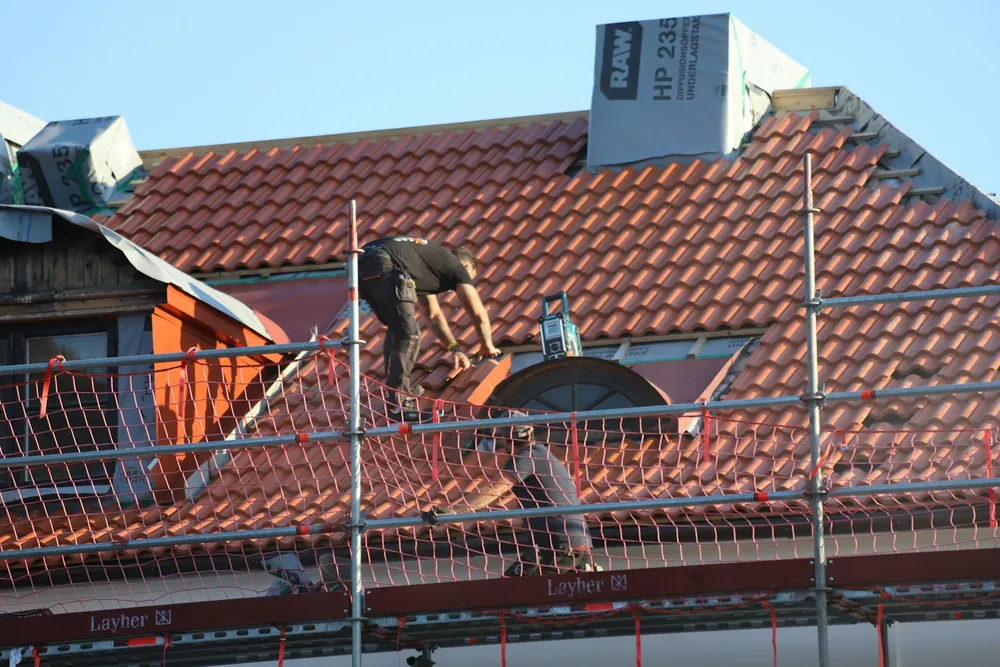
How We Work on Period Roofs
- Slow, hand-only removal. No power tools near original timbers, laths or slates.
- Test bay first. We see how the foam is bonded before committing to the rest of the roof.
- Leave historic fabric in place. We remove the foam, not the roof. Anything that looks original stays where it is.
- Record everything. Detailed photos help your surveyor, conservation officer or roofer plan any repairs.
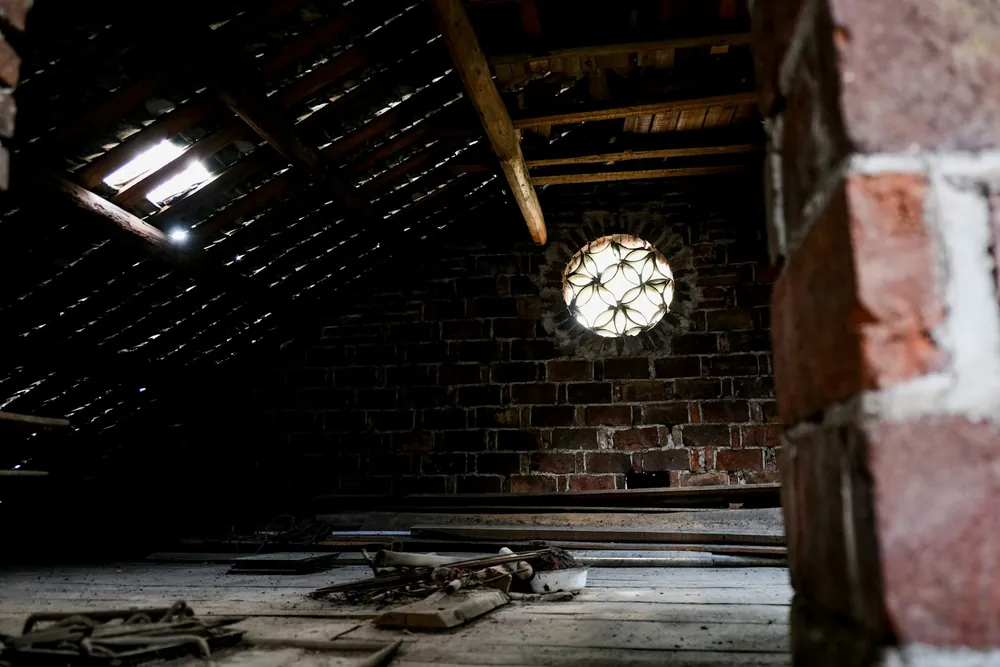
Listed Buildings and Conservation Areas
Removing foam from inside a roof usually doesn’t need planning permission. If your building is listed, though, works that affect its character — inside or out — can need listed building consent, and repairs to the outside of a roof in a conservation area may need permission. If in doubt, check with Exeter City Council before work starts. We can provide photos and a description of the proposed work to help that conversation.
Useful Guidance for Owners of Older Homes
- Historic England: search the National Heritage List — check whether your house is listed.
- Exeter City Council: conservation areas — see whether your street is in one of Exeter’s conservation areas.
- Historic England: installing insulation in older buildings — Historic England’s guidance on insulating older buildings without trapping moisture.
- Historic England: insulating pitched roofs at ceiling level — guidance on insulating at ceiling level once the foam is gone.
External sites open in a new tab. We’re not connected to or endorsed by any of these organisations.
Thatch and Cob
Thatched roofs and cob walls are found around the edges of Exeter and in nearby villages. Foam applied under thatch or against cob needs particular care. Tell us when you enquire and we’ll talk through whether we’re the right people for the job or whether a specialist conservation contractor should be involved.
What it typically costs
Period roofs usually take longer, so expect the middle or upper band. A small, accessible roof can still be at the lower end.
- Small or partial spray foam removalFrom £1,500 to £3,000
- Typical 3-bed loft spray foam removalAround £3,000 to £5,000
- Larger or difficult closed-cell foam removal£5,000 to £8,000+
- Per square metre guideRoughly £40 to £80+ per m²
Guide prices only. Every loft is different, so a confirmed quote usually needs an inspection or at least clear photos. A guide, not a fixed price. See how we price Exeter jobs.